Views: 82 Author: Site Editor Publish Time: 2026-04-24 Origin: Site
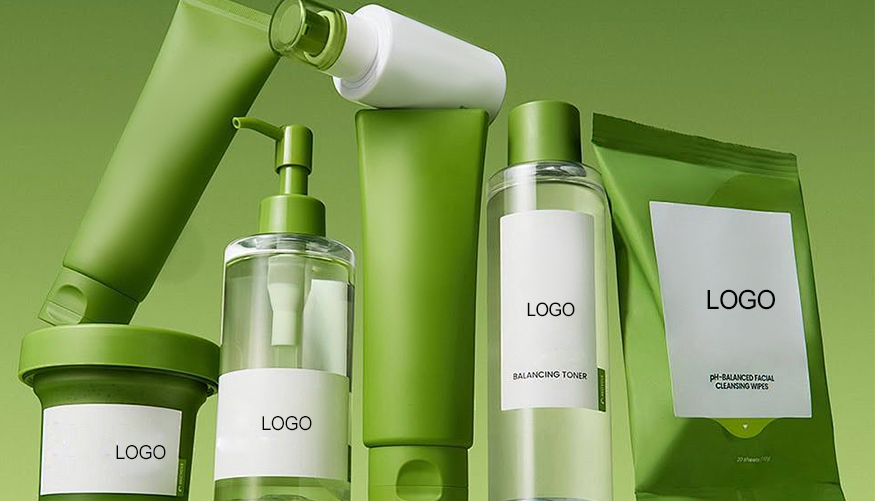
When working with surface treatments like frosting or coating, many clients hear the term:
“Water-based coating” (water paint)
But it’s often confused with traditional solvent-based paint.
So what’s the real difference?
And which one is better for cosmetic packaging?
Water-based coating uses water as the primary solvent to disperse or dilute the coating material.
Water
Polymers (acrylic, polyurethane, epoxy, etc.)
Pigments
Additives (thickeners, defoamers, etc.)
Low VOC emissions
Safer for human contact
More environmentally friendly
Widely used in cosmetic and skincare packaging
Solvent-based paint uses organic solvents such as:
Alcohols
Ketones
Ethers
Aromatic hydrocarbons
Oil-based resins (alkyd, epoxy, etc.)
Organic solvents
Pigments
Curing agents
High volatility
Strong chemical odor
Higher VOC emissions
Requires stricter handling and ventilation conditions
✔ Low VOC
✔ Eco-friendly
✔ Safer for workers and users
✔ Complies with stricter global regulations
❌ High VOC emissions
❌ Air pollution risk
❌ Potential health impact with long-term exposure
Increasingly restricted in many markets
Softer finish, more natural look
Moderate resistance to water, chemicals, and weather
Stronger in:
Abrasion resistance
Chemical resistance
Weather resistance
Forms thicker, more protective coatings
Suitable for industrial or outdoor applications
After sandblasting or frosting, coating choice matters:
Used for:
Eco-conscious products
Cosmetic packaging
Features:
Lower curing temperature
Thin, even coating
Clean, soft visual effect
Used for:
High-durability requirements
Industrial-level protection
Features:
High-temperature curing
Thicker coating
Stronger surface protection
At BEYAQI, we prioritize safe, sustainable, and high-performance finishes:
Eco-friendly and compliant with cosmetic standards
Frosting, UV coating, electroplating, soft-touch finishes
Matching coating type to product use, environment, and brand positioning
From design → testing → mass production
The fundamental difference is clear:
Most brands today prioritize:
Safety
Sustainability
Regulatory compliance
That’s why water-based coatings are becoming the industry standard


 English

