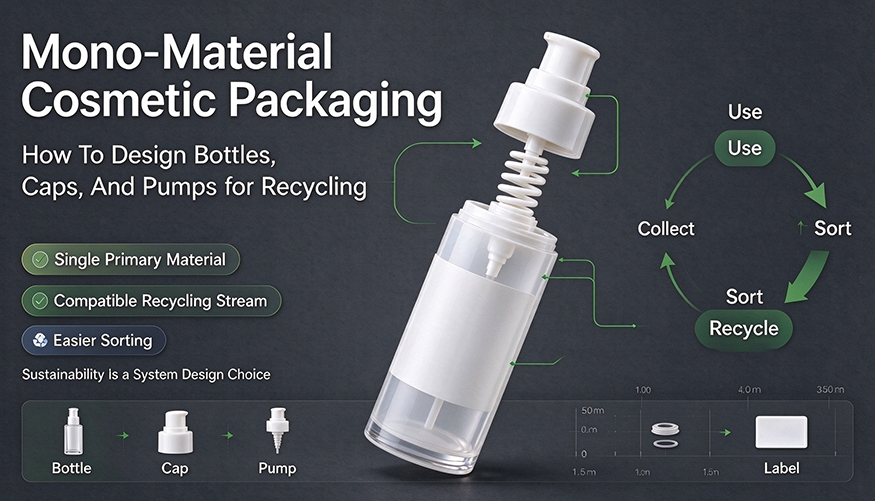
Learn how mono-material cosmetic packaging, recyclable closures, simpler pumps, and compatible labels can support better recycling and EU packaging compliance.
Read More 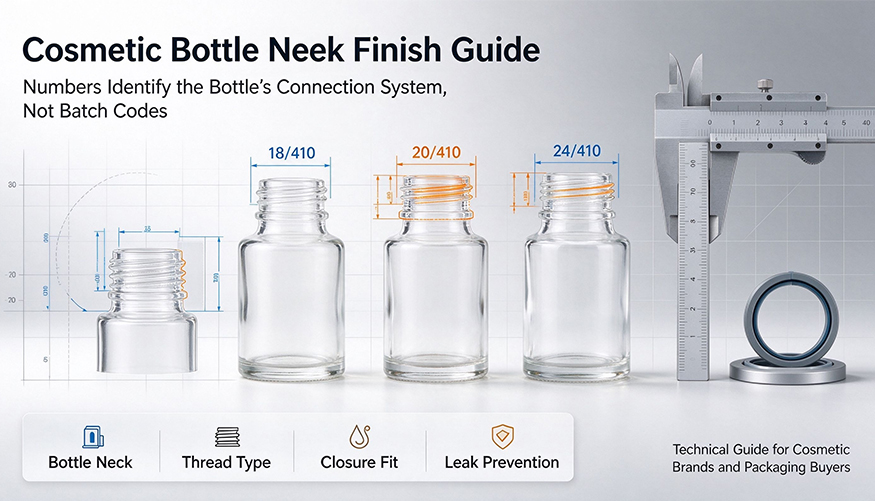
Learn how to read cosmetic bottle neck finish codes such as 20/410 and 24/410, compare 400, 410, and 415 threads, and choose compatible pumps and caps.
Read More 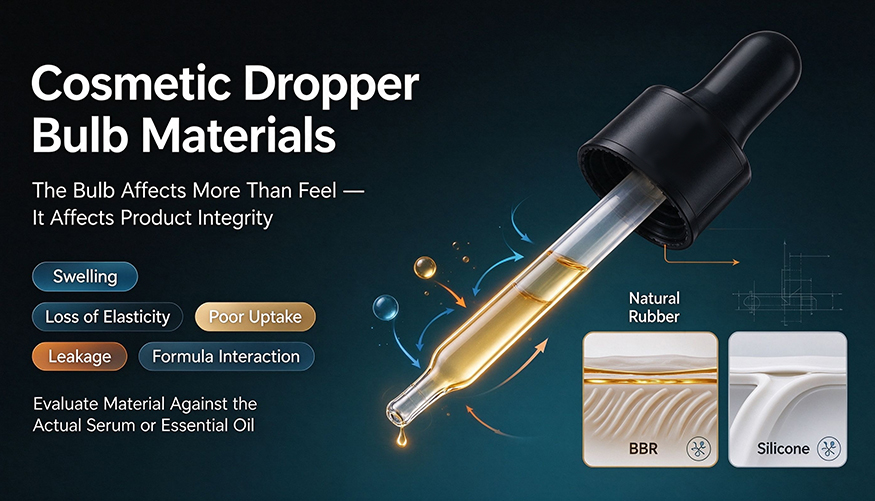
Compare five cosmetic dropper bulb materials and learn how to select compatible packaging for facial serums, essential oils, and active skincare formulas.
Read More 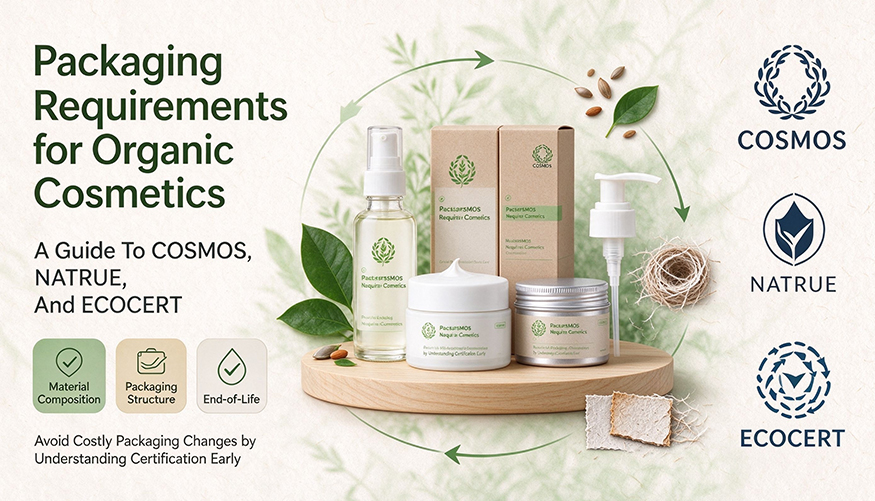
Learn how COSMOS and NATRUE packaging standards affect material selection, recycled content, prohibited plastics, and sustainable packaging for organic skincare.
Read More 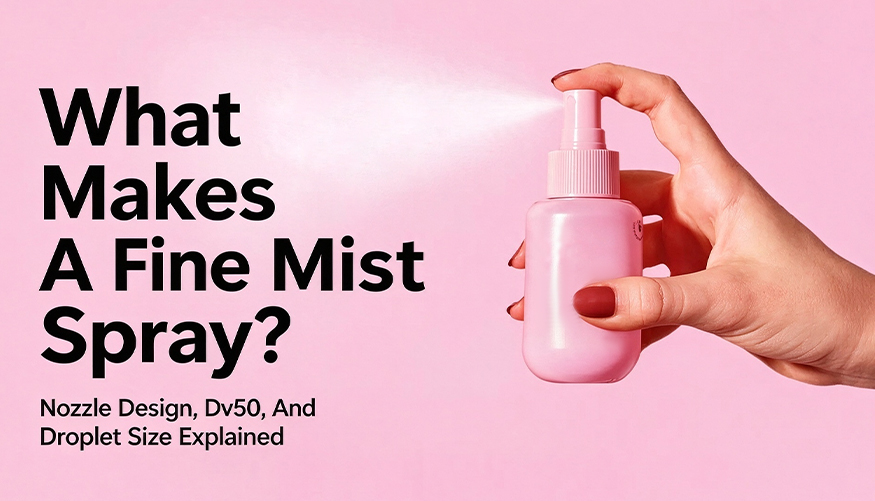
Learn how fine mist spray nozzles work, what Dv50 means, how swirl chambers affect atomization, and how formula viscosity influences cosmetic spray performance.
Read More 
Learn how child-resistant closures work, how CRCs differ from tamper-evident caps, and what U.S. and EU packaging requirements brands should consider.
Read More 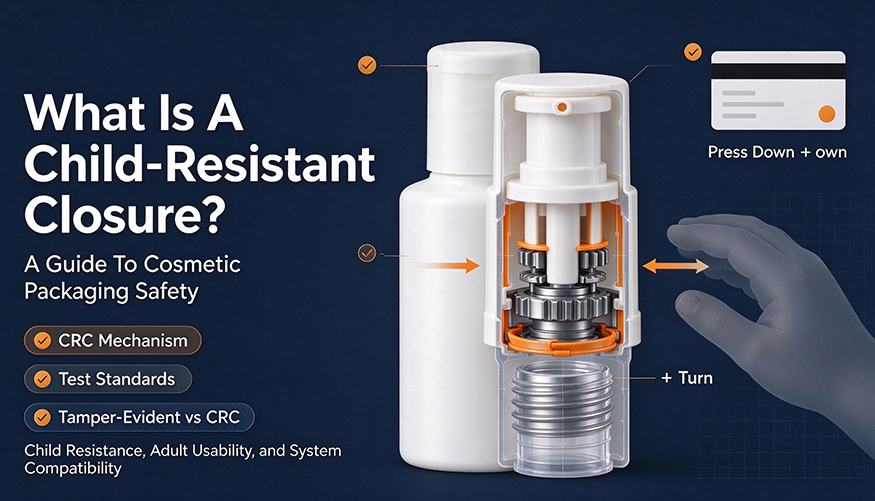
Learn how child-resistant closures work, how CRCs differ from tamper-evident caps, and what U.S. and EU packaging requirements brands should consider.
Read More 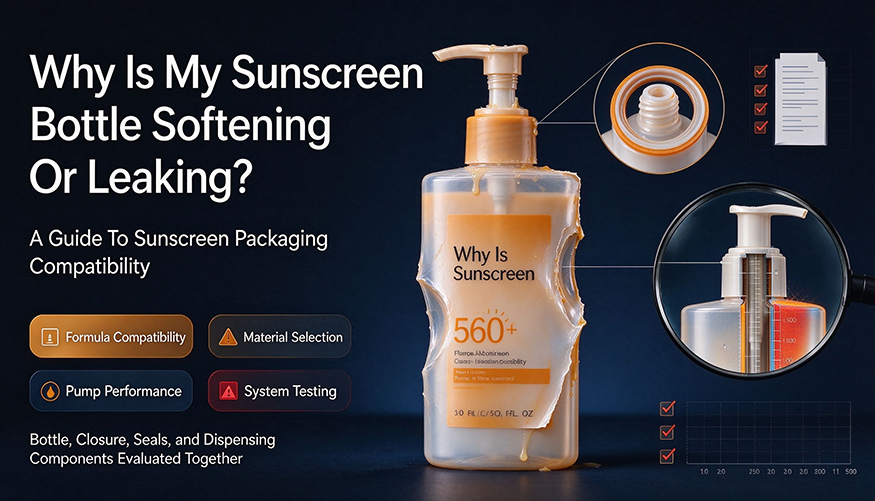
Learn how sunscreen formulas affect plastic bottles, pumps, and seals. Explore material selection, EVOH barrier tubes, PCR packaging, and compatibility testing.
Read More 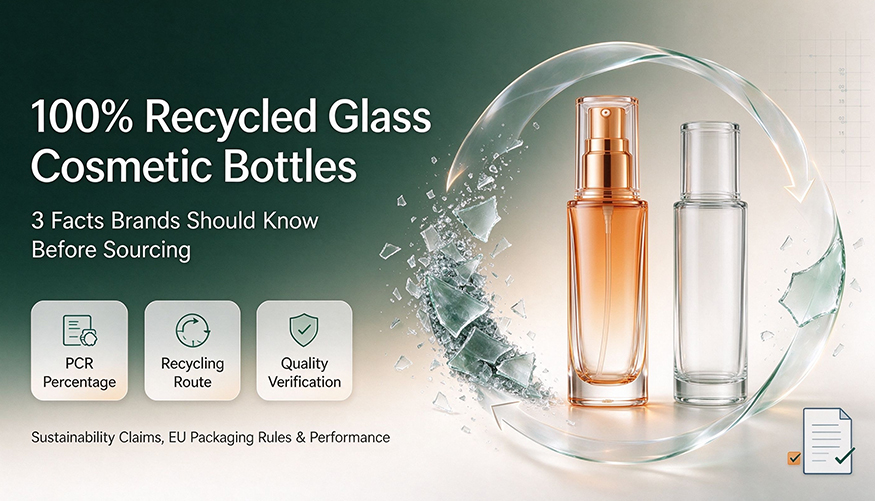
Learn what 100% recycled glass means, how PCR glass quality is evaluated, and what cosmetic brands should know about EU PPWR recyclability requirements.
Read More 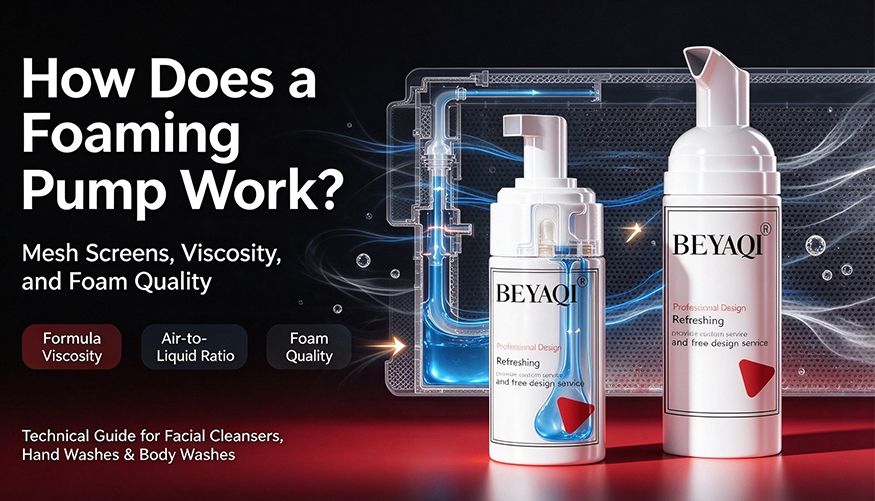
Learn how foaming pumps use air, liquid, and mesh screens to create foam. Explore viscosity requirements, foam quality, clogging risks, and pump selection tips for cosmetic packaging.
Read More 


 English
