Views: 32 Author: Site Editor Publish Time: 2026-04-17 Origin: Site
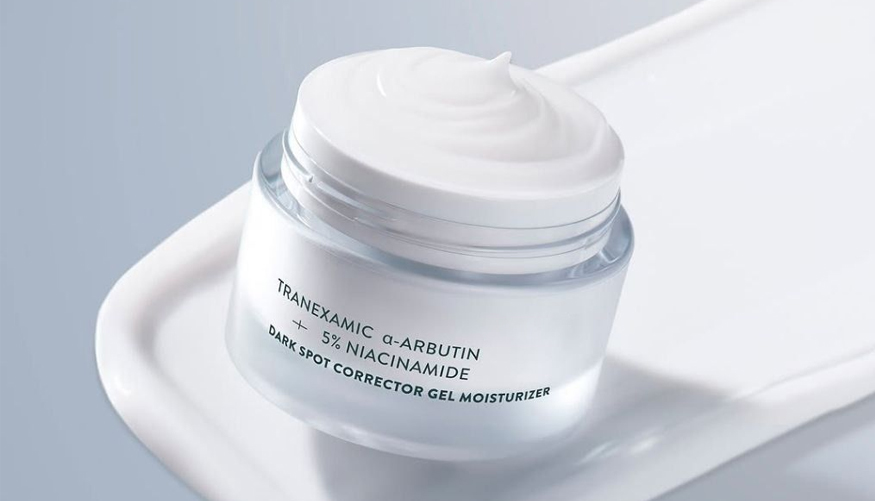
And with high-viscosity formulas comes a common frustration:
“Why can’t I use it all?”
This is not just a user perception —
it’s the result of formula behavior + packaging structure.
High-viscosity formulas do NOT flow easily by gravity.
That’s why structure matters more than appearance.
Airless bottles
→ Push-up system, near zero residue
Squeeze tubes
→ External pressure moves the product
Squeeze bottles (elastic rebound)
→ More effective than standard pumps for thick formulas
Standard lotion bottles + long dip tube pumps
These rely on suction + gravity, which are inefficient for thick products.
For high-viscosity formulas, remember this priority:
Orifice size > Spring strength > Rebound speed
Larger orifice → easier product flow
Stronger spring → stronger suction force
Faster rebound → smoother dispensing, less clogging
The internal pump structure is far more important than external design.
The bottom shape of the bottle directly affects whether the last 20% of product can be used.
Rounded bottom (center lowest point)
Sloped inner base (guides product inward)
Concave base (dip tube reaches lowest point)
Flat bottom → product spreads out
Complex geometric base → product gets trapped in corners
Many brands prioritize aesthetics —
but base design determines real usability.
High-viscosity formulas tend to stick to the shoulder area.
If the shoulder is:
Too flat
Too angular
Product will accumulate and not flow back down.
Smooth shoulder > decorative shoulder
A smooth transition helps the product naturally return to the bottom.
Skipping this step is a common mistake.
Fill the product
Let it sit for 24 hours
Dispense (pump or squeeze)
Observe if the product flows back down naturally
Without this test, brands often discover problems too late:
Product cannot be fully used
Pump stops working
Negative customer reviews
Many brands equate:
“Thicker texture = more premium”
But excessive viscosity can cause:
Poor pump performance
Difficult dispensing
Slow or no flow-back
Reduced user experience
Professional approach:
Balance texture with usability
To make high-viscosity products truly usable, you need:
✔ The right packaging structure
✔ The right pump system
✔ The right bottle base design
✔ The right shoulder geometry
✔ And, when needed, formula adjustment
Using high-viscosity products completely is not about luck —
it’s about engineering the entire system correctly.
Great packaging ensures:
Smooth dispensing
Minimal residue
Better user satisfaction


 English

