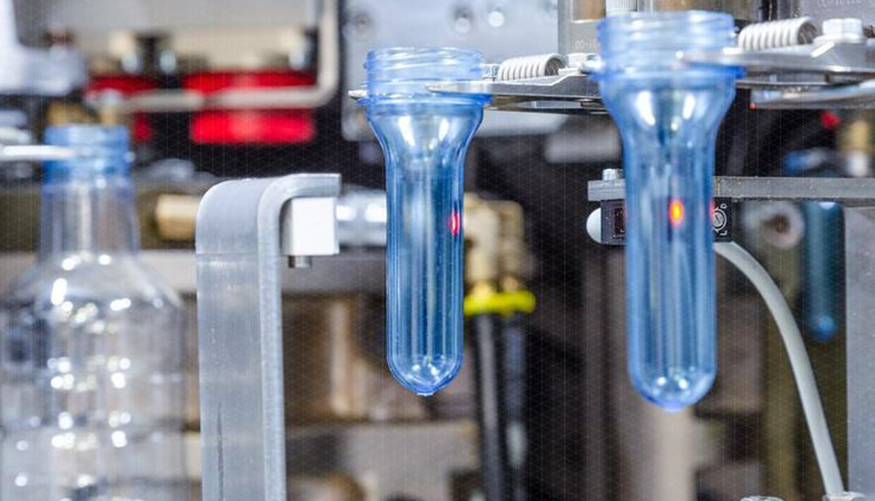
Ever wondered how everyday plastic bottles — like shampoo or body wash bottles — are made?
From tiny plastic pellets to fully formed hollow containers, one of the most widely used processes is:
EBM (Extrusion Blow Molding)
At BEYAQI, this is a core technology used to produce durable, lightweight, and cost-effective plastic packaging.
Read More 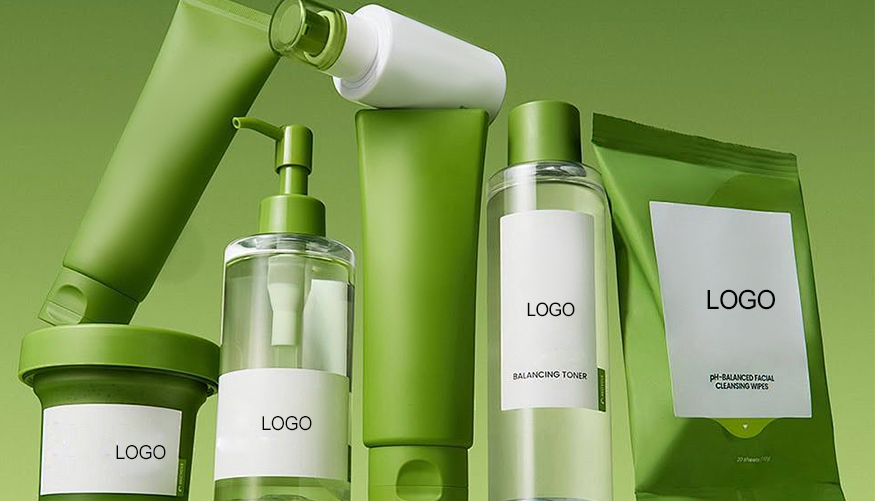
When working with surface treatments like frosting or coating, many clients hear the term:
“Water-based coating” (water paint)
But it’s often confused with traditional solvent-based paint.
So what’s the real difference?
And which one is better for cosmetic packaging?
At BEYAQI, we help brands choose finishes based on performance, safety, and application scenarios — not just terminology.
Read More 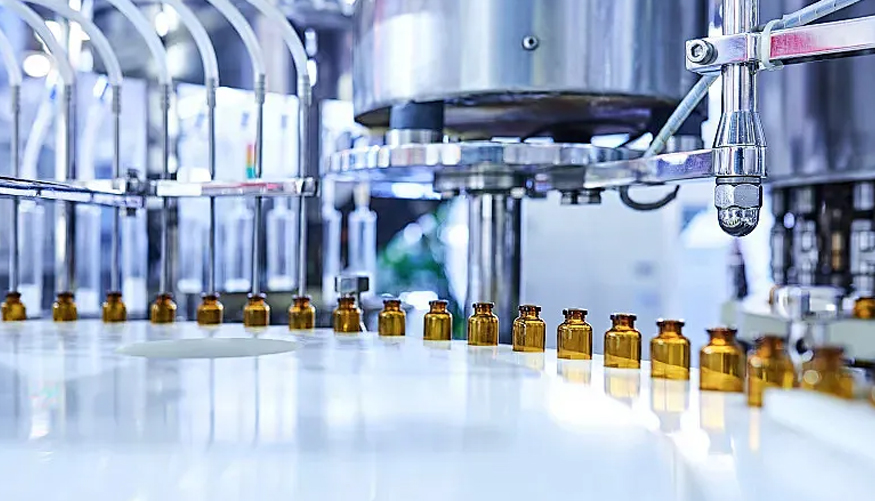
Many brands assume that a bottle factory simply produces bottles and ships them out.
But in reality, a professional manufacturer does much more.
At BEYAQI, every batch goes through a series of strict quality tests to ensure stability during:
Filling
Transportation
Daily use
The more complete the testing system, the lower the risk after launch.
Read More 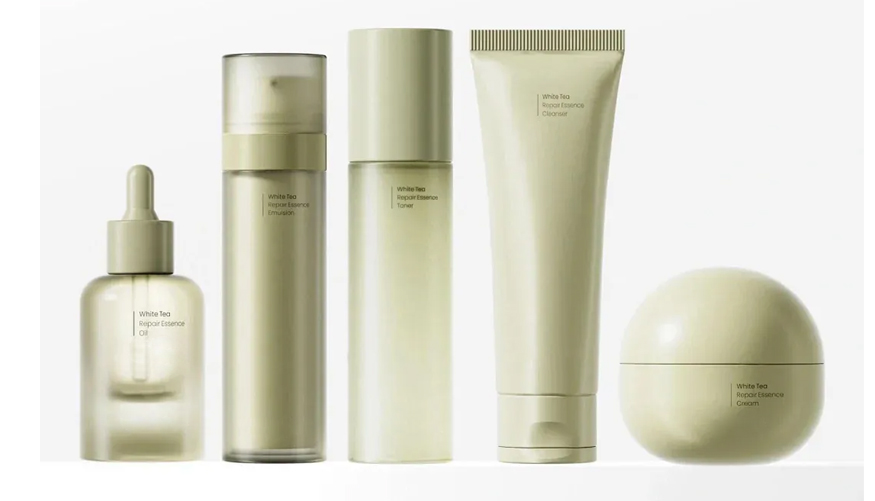
In the packaging industry, sending samples may seem like a small step.
But in reality, it is one of the most effective ways to evaluate:
Customer professionalism
Project authenticity
Decision-making readiness
At BEYAQI, we see sample requests not just as a service — but as a key stage in project qualification.
Read More 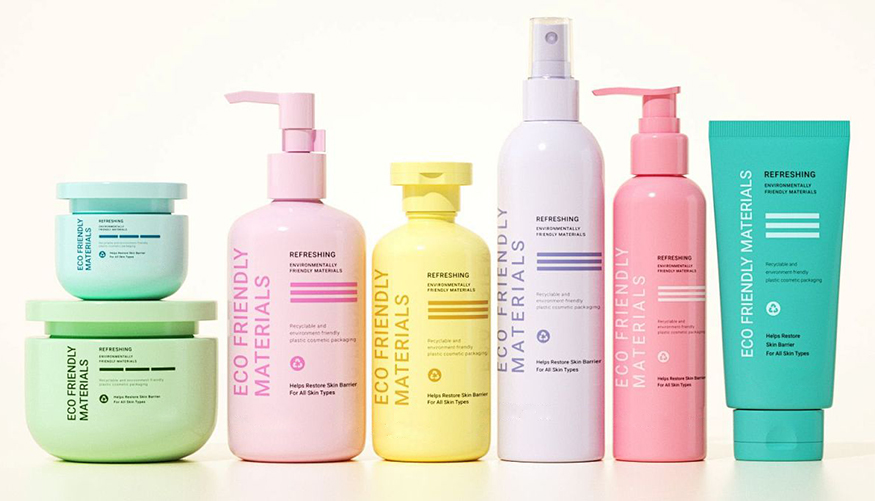
At BEYAQI, we guide brands toward coating solutions that balance appearance, safety, and long-term performance.
Read More 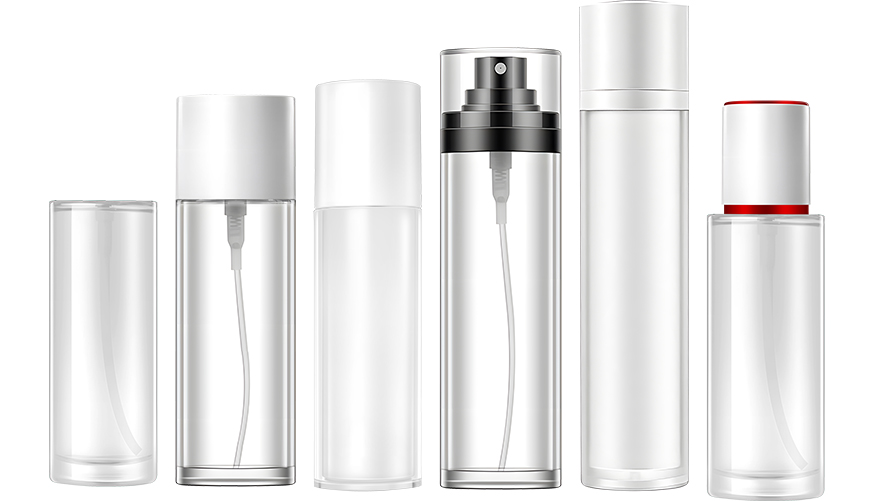
When selecting packaging materials, many clients have a common assumption:
“ABS looks more premium, PS feels more basic — so ABS must be much more expensive.”
But the reality is:
PS and ABS raw material prices are actually very similar
The real difference lies in their physical properties and visual performance
At BEYAQI, we help brands choose materials based on function and effect — not misconceptions.
Read More 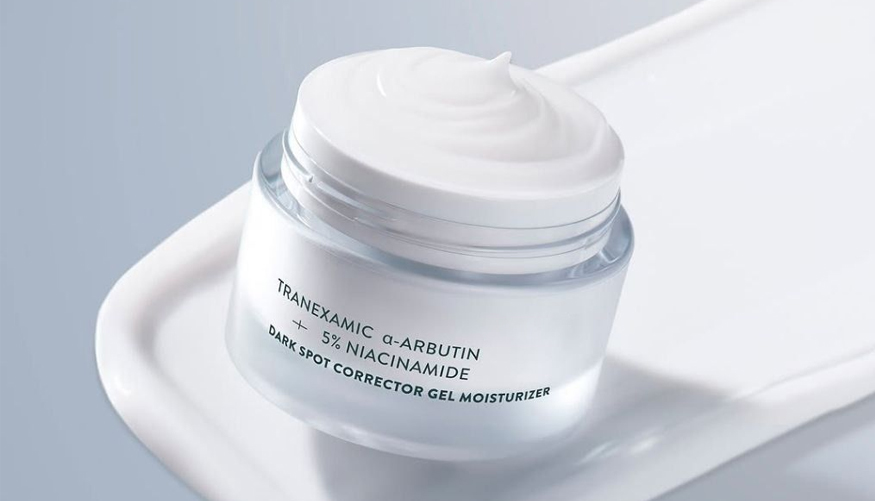
The richer and more premium a product feels — like creams, body lotions, and repair emulsions — the higher its viscosity usually is.
Read More 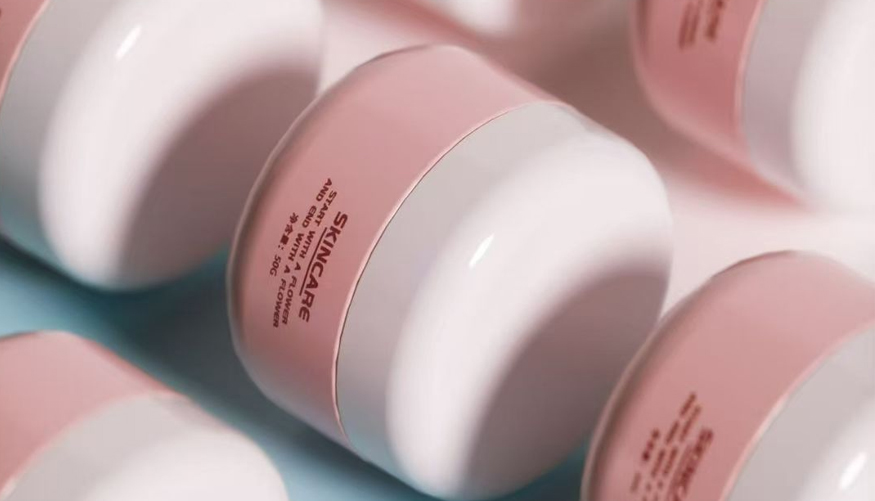
When working on finishes like silk screen printing, sandblasting, or electroplating preparation, you’ll often hear a term:
“Mesh count” — 200, 300, 400…
But what does it really mean?
Is higher always better?
And how does it affect your packaging result?
At BEYAQI, we simplify the concept so you can make smarter production decisions.
Read More 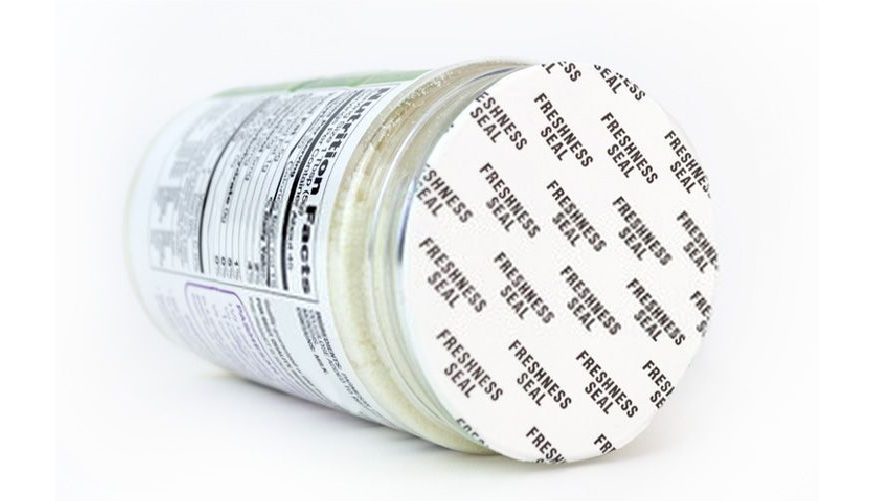
In bottle cap structures, you’ll often hear:
“This product uses a double-layer laminated liner.”
It costs more than standard liners — yet many brands are willing to upgrade.
So what makes it worth it?
At BEYAQI, we break down the real function behind this component — beyond just price.
Read More 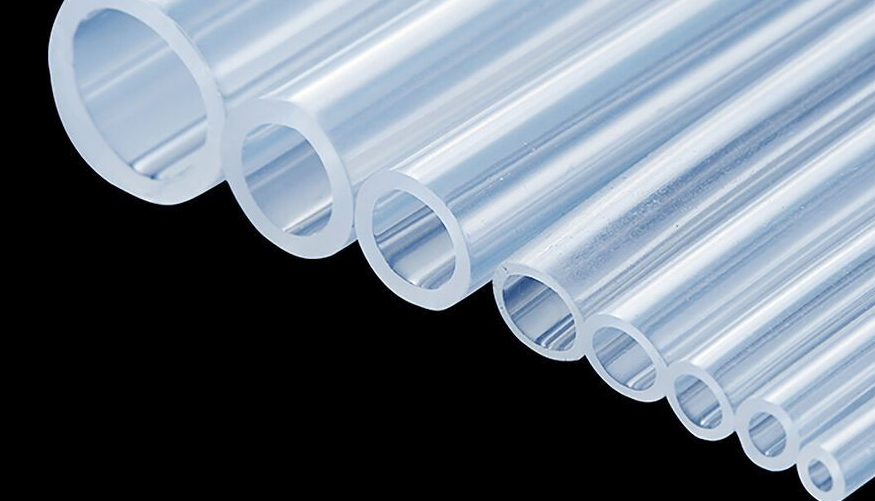
In pump packaging systems, the dip tube may seem like a small, insignificant component.
But in reality, when issues occur — such as poor dispensing, instability, or performance failure — the problem often starts here.
Some pump heads are specifically labeled:
“Equipped with PC dip tube”
So what does that really mean? And when should you choose it?
At BEYAQI, we help brands make smarter packaging decisions by understanding these critical details.
Read More 


 English